Permanent Exhibition

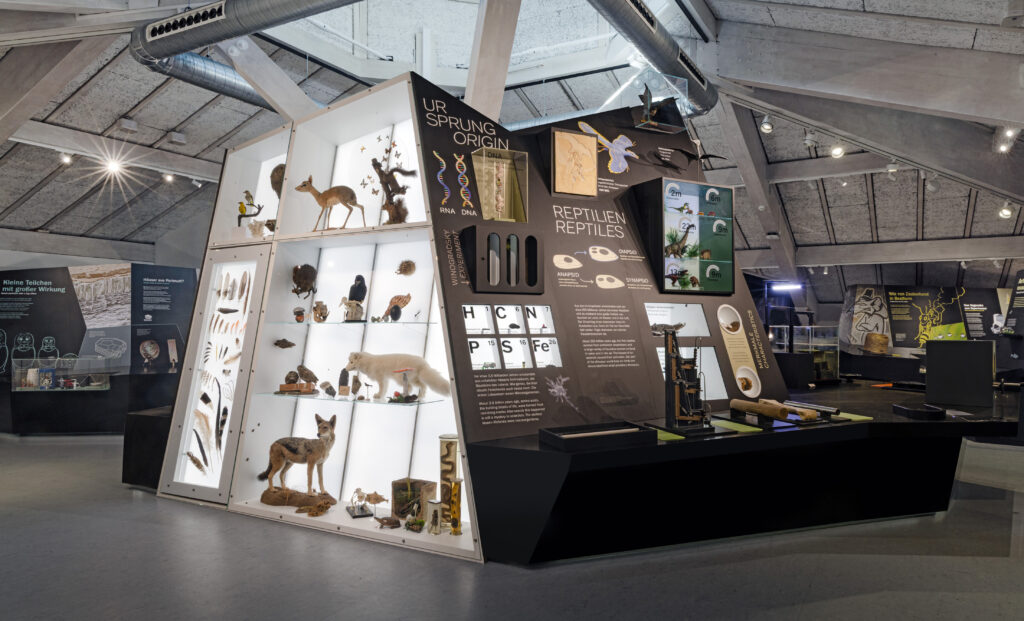
In our interactive exhibition in the Bionicum, everyone can become a researcher. The exhibition looks at different exciting topics from the filed of evolution and bionics. Come and discover the amazing technologies that nature has in store for us humans.
Several robots reside at Bionicum. They are very communicative and enjoy dancing.
The tour guide during the visit is the friendly prehistoric animal DINO. Find him in the exhibition and learn more about the history of the Earth and nature.
Topics of the permanent exhibition
Ideas of nature
Nature is like a giant laboratory that has been in operation since the dawn of time. The first life on Earth emerged 3.8 billion years ago. Since then, millions of animal and plant species have evolved. Each species has adapted to its environment in the best possible way. The best survival strategies have been passed on. We can learn from this wealth of ideas…
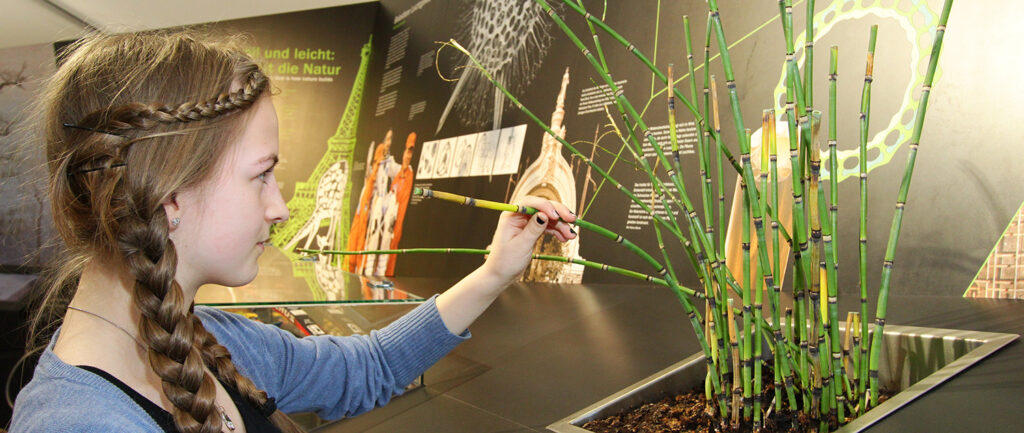
Sturdy and light: that is how nature builds
Shapes of branches or bones do not develop randomly in nature. They are designed to withstand stresses as optimally as possible. As a material, nature uses the composite of fibers and filler.
It’s the skin that does it
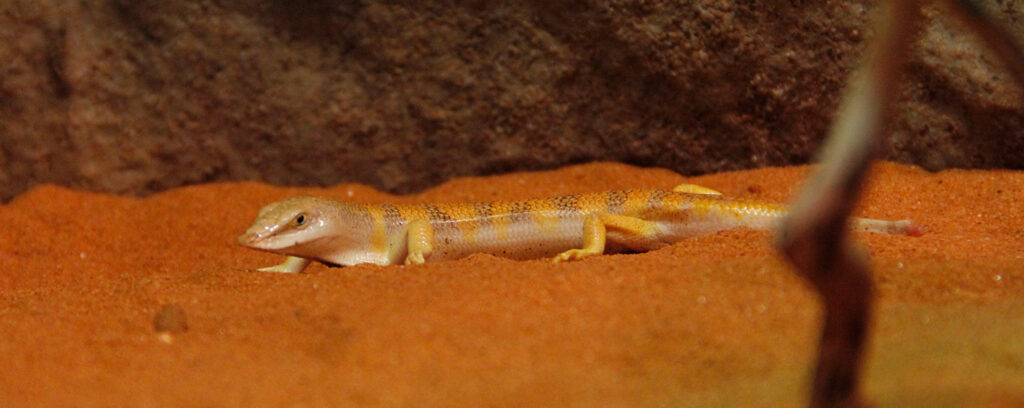
The surfaces of animals and plants have amazing properties. The sandfish has scales that cannot be scratched, while the thorny devil can drink from damp sand without getting hurt.
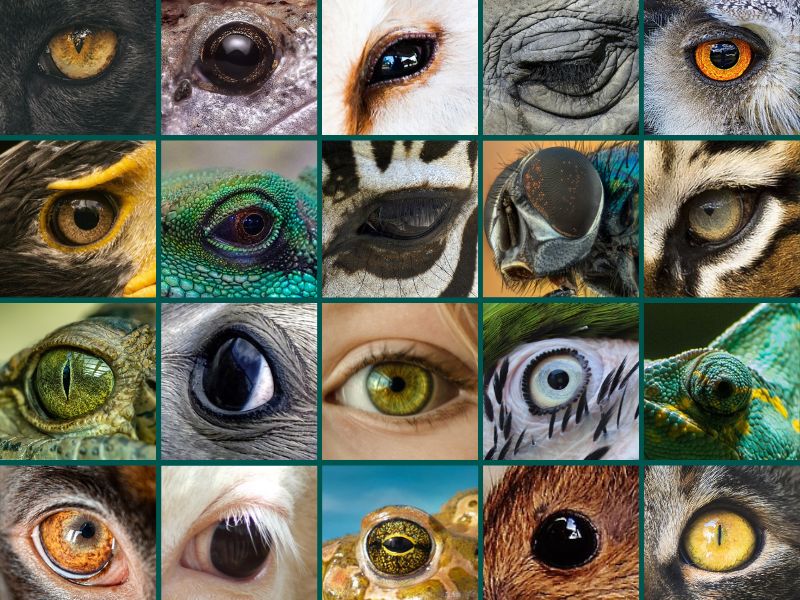
Many species, many ideas
The idea of bionics comes from the fact that there are many different types of animals on our planet – the biodiversity. The example of the eyes shows why there are so many different types in the animal kingdom. This diversity is very useful to humans and inspires many new ideas.
In best form as if by magic
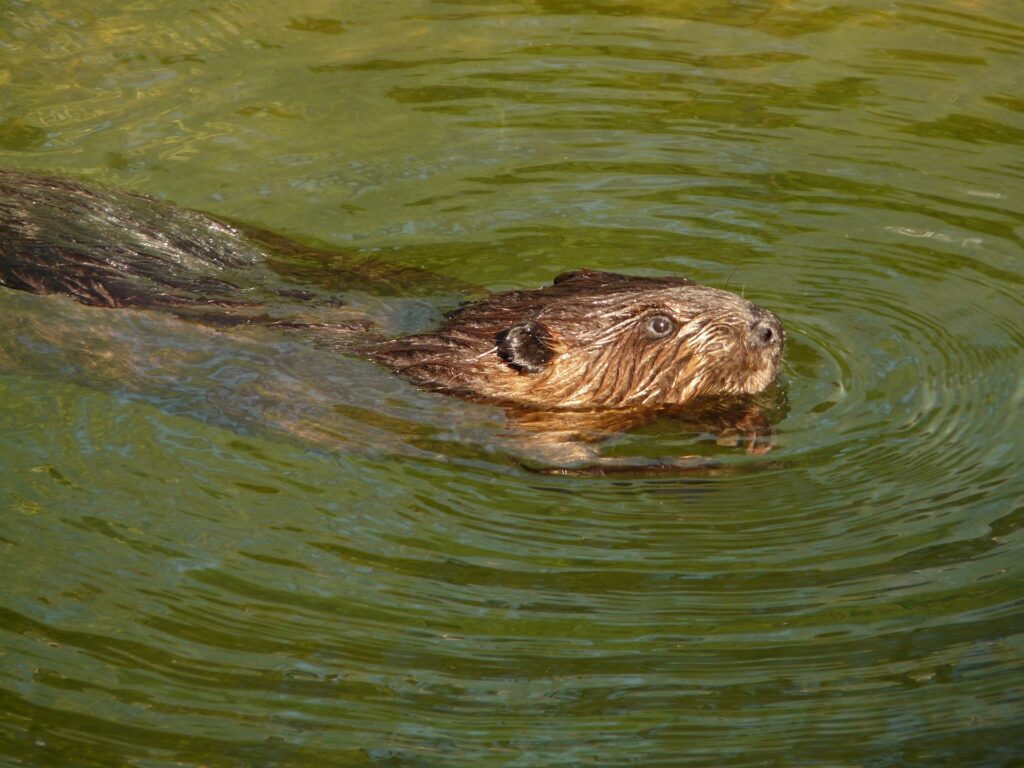
Rodents always have sharp teeth, even if they gnaw on hard things every day. How do they do it? Nature provides materials that sharpen, repair and rebuild themselves.
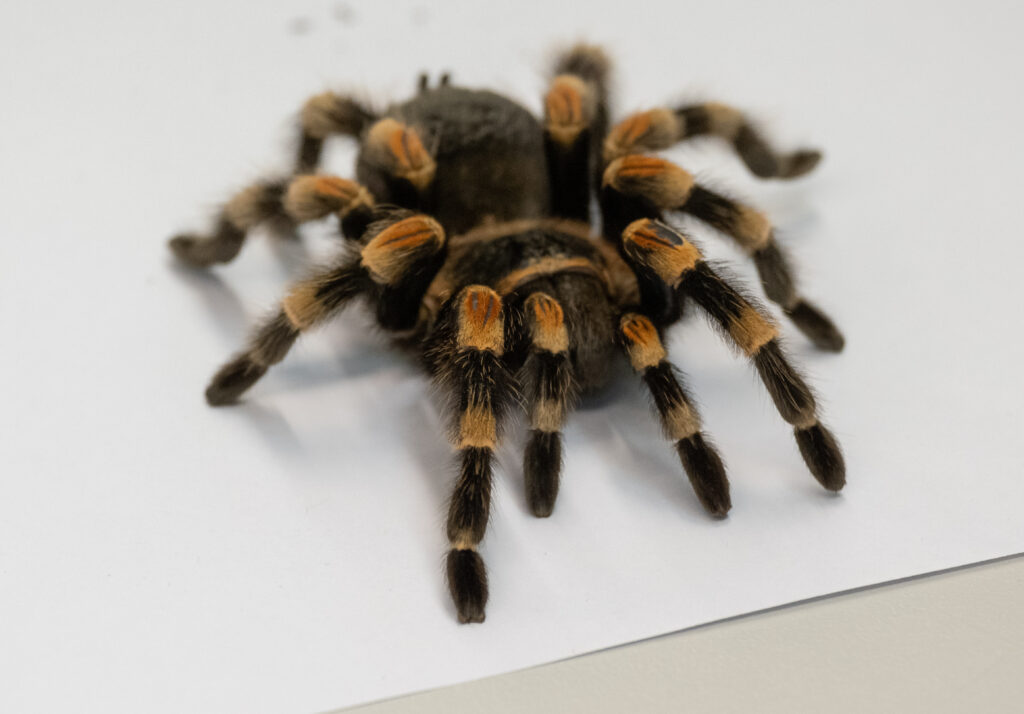
What do robots learn from people and animals?
Animals are used as models for the way modern robots work. But current technology can’t match the properties of muscles and tendons. A good way to understand this is to compare a spider and a robot.
Small particles, big effect
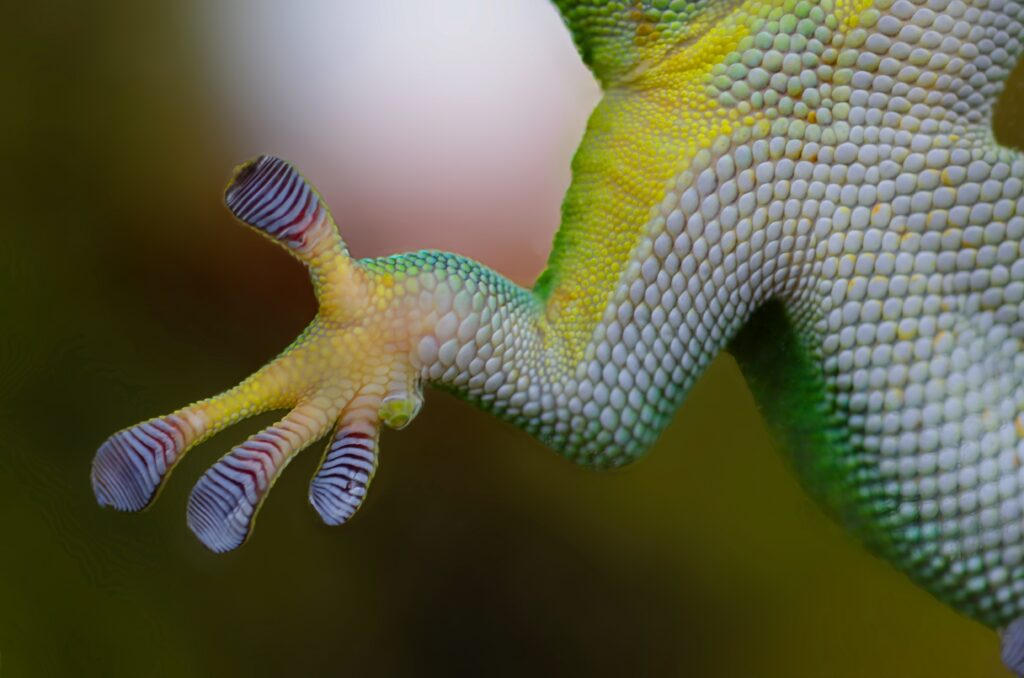
The gecko can stick to the wall by ensuring skin contact between molecules. This knowledge is used in modern bionics and is also making inroads into the field of nanotechnology.
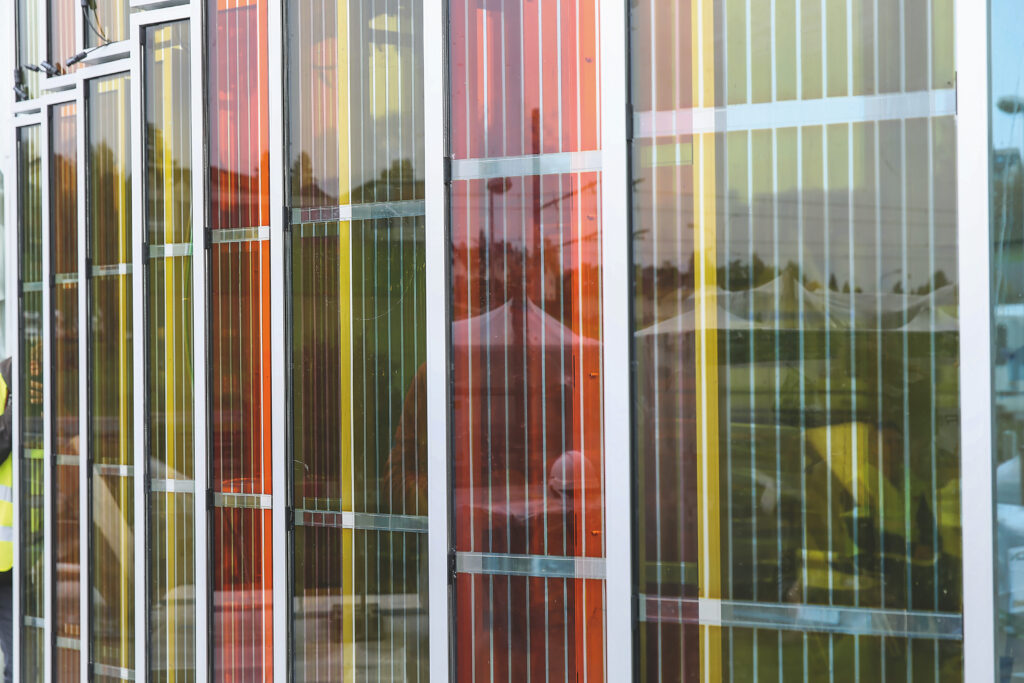
Light provides energy and creates electricity
Nature shows us how we can live in the future. It provides energy according to different types of plants, provides shade like the bird of paradise flower and creates ventilation like that seen in prairie dogs and termites.
© Alain Herzog | EPFL
Short routes, quickly found
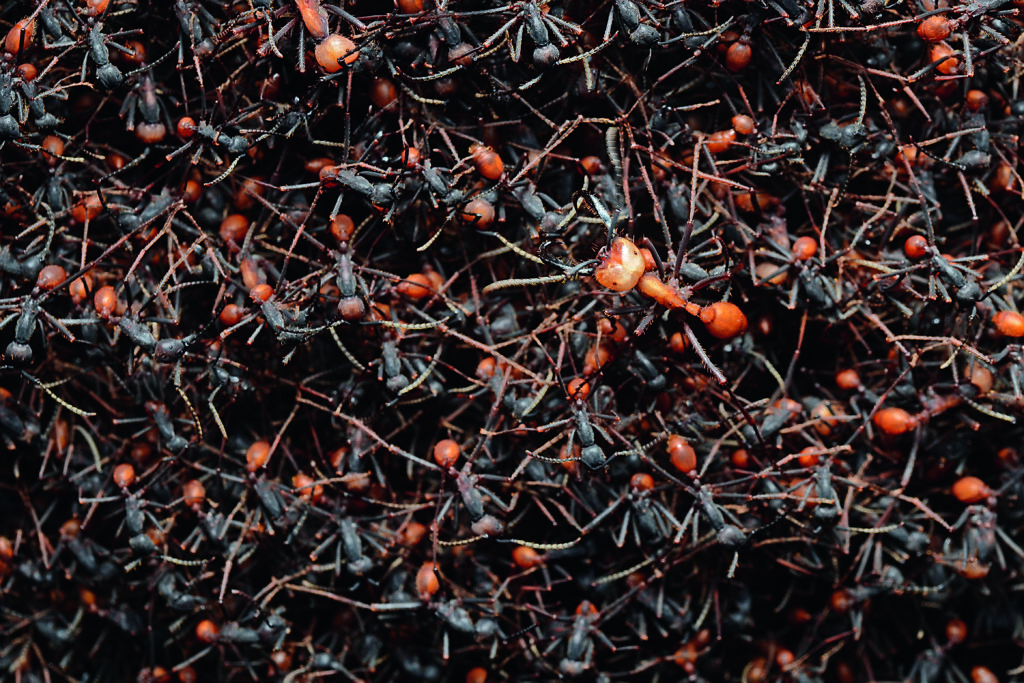
The ants are very clever when it comes to planning their routes. They are so good at this that we can learn a lot from them. This is how modern logistics companies plan their routes.
© Geoff Gallice